Celebrating 75 Years of Friendship: Pak-China Exhibition of Porcelain and Contemporary Art
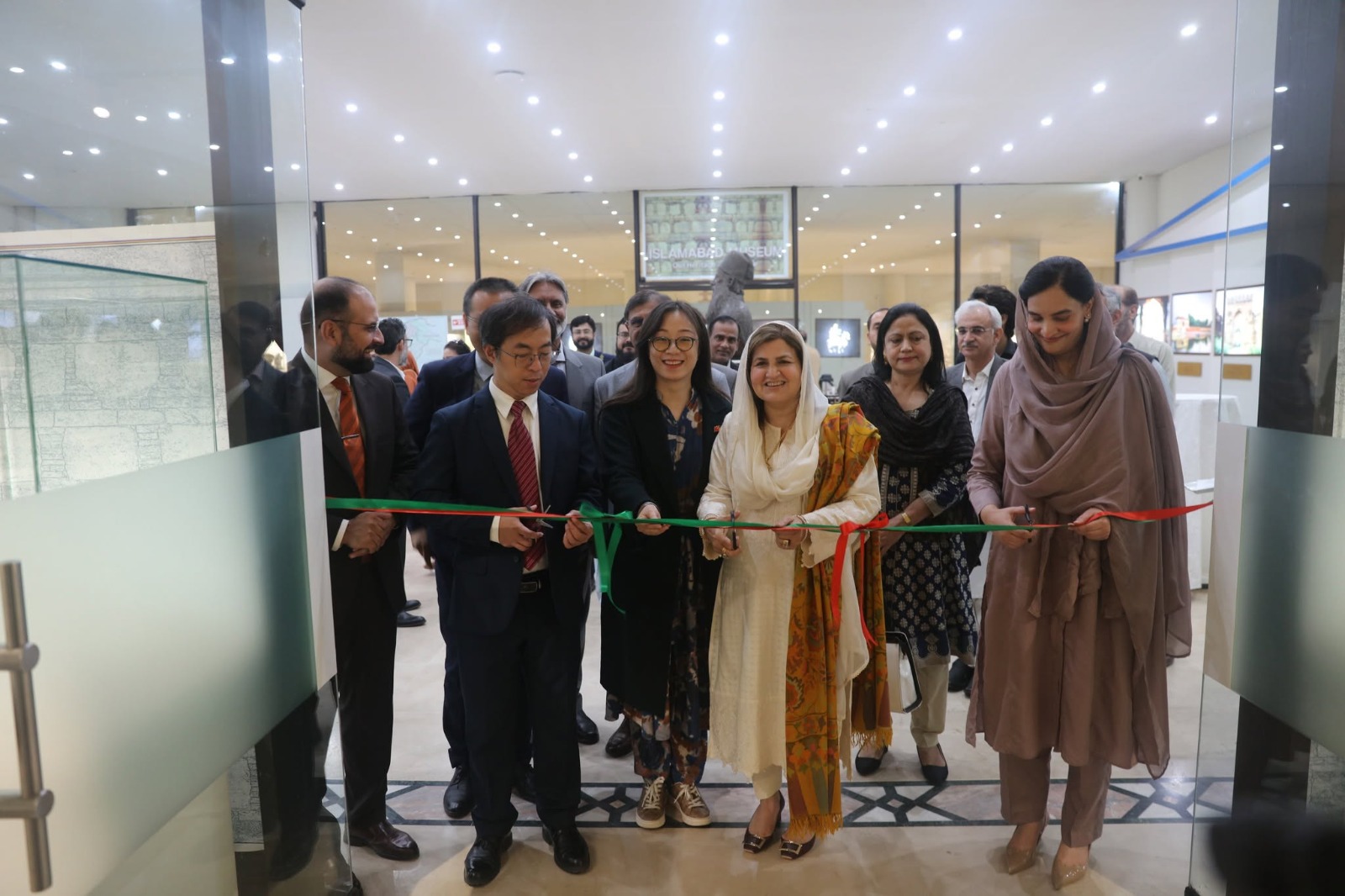
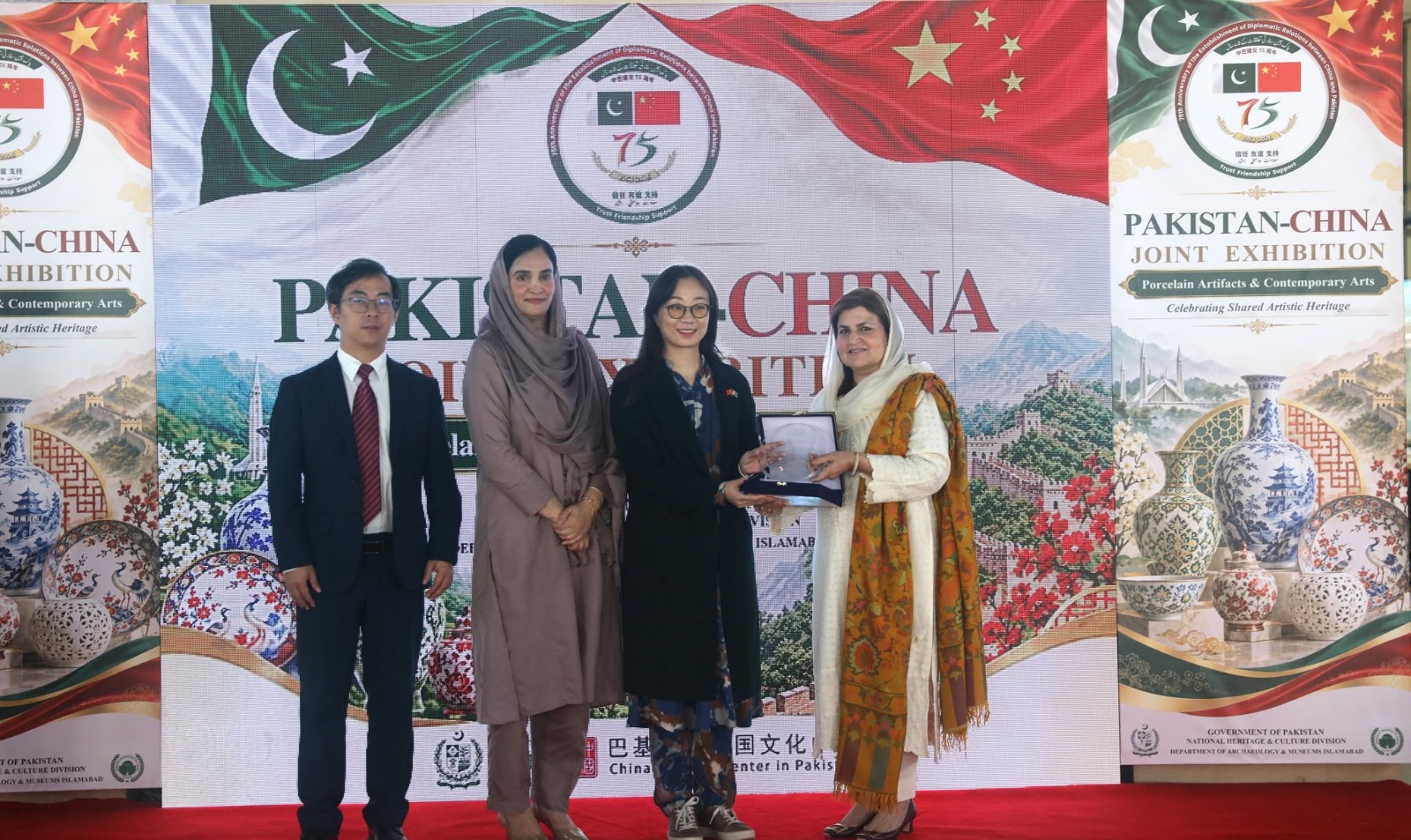
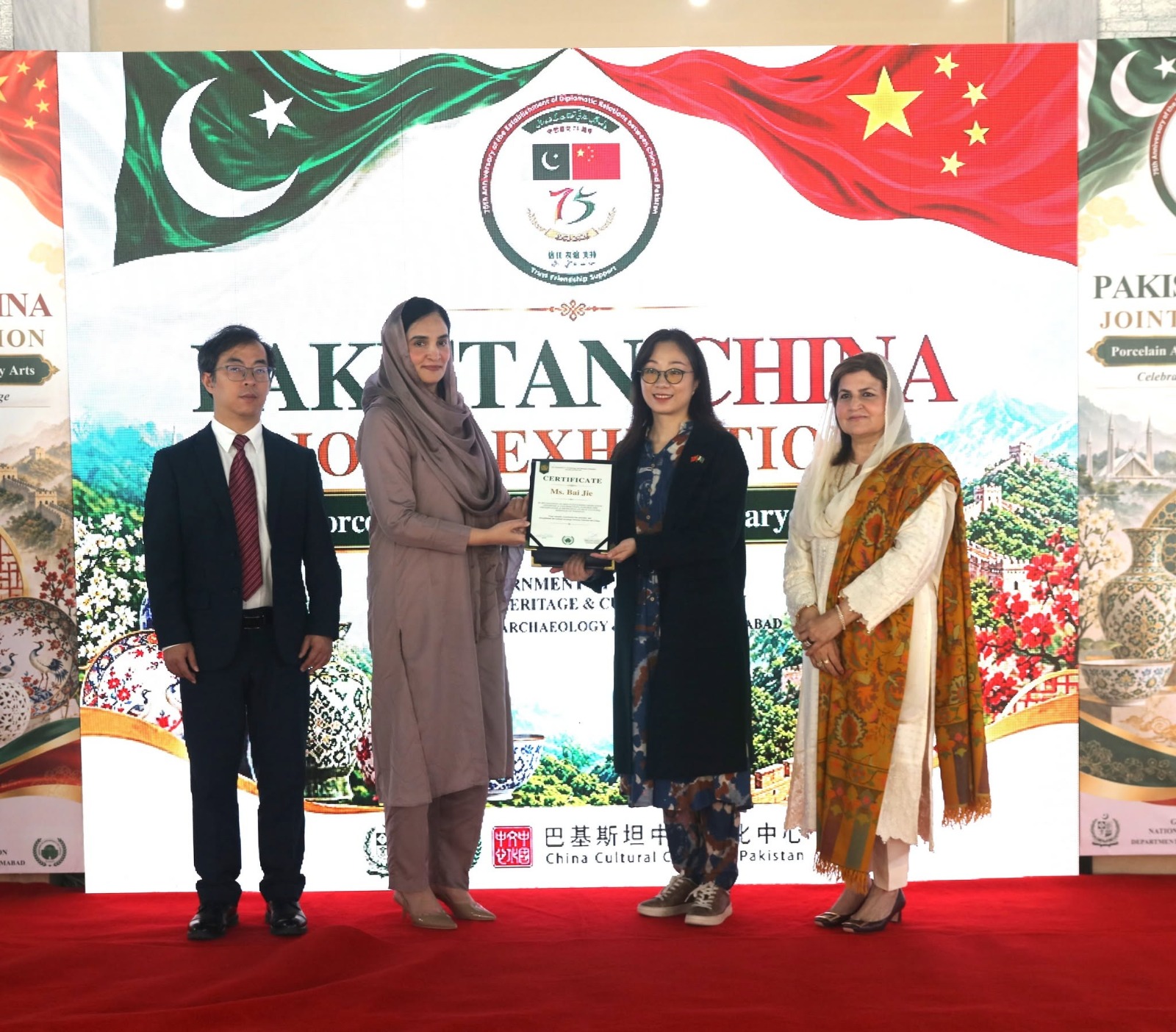
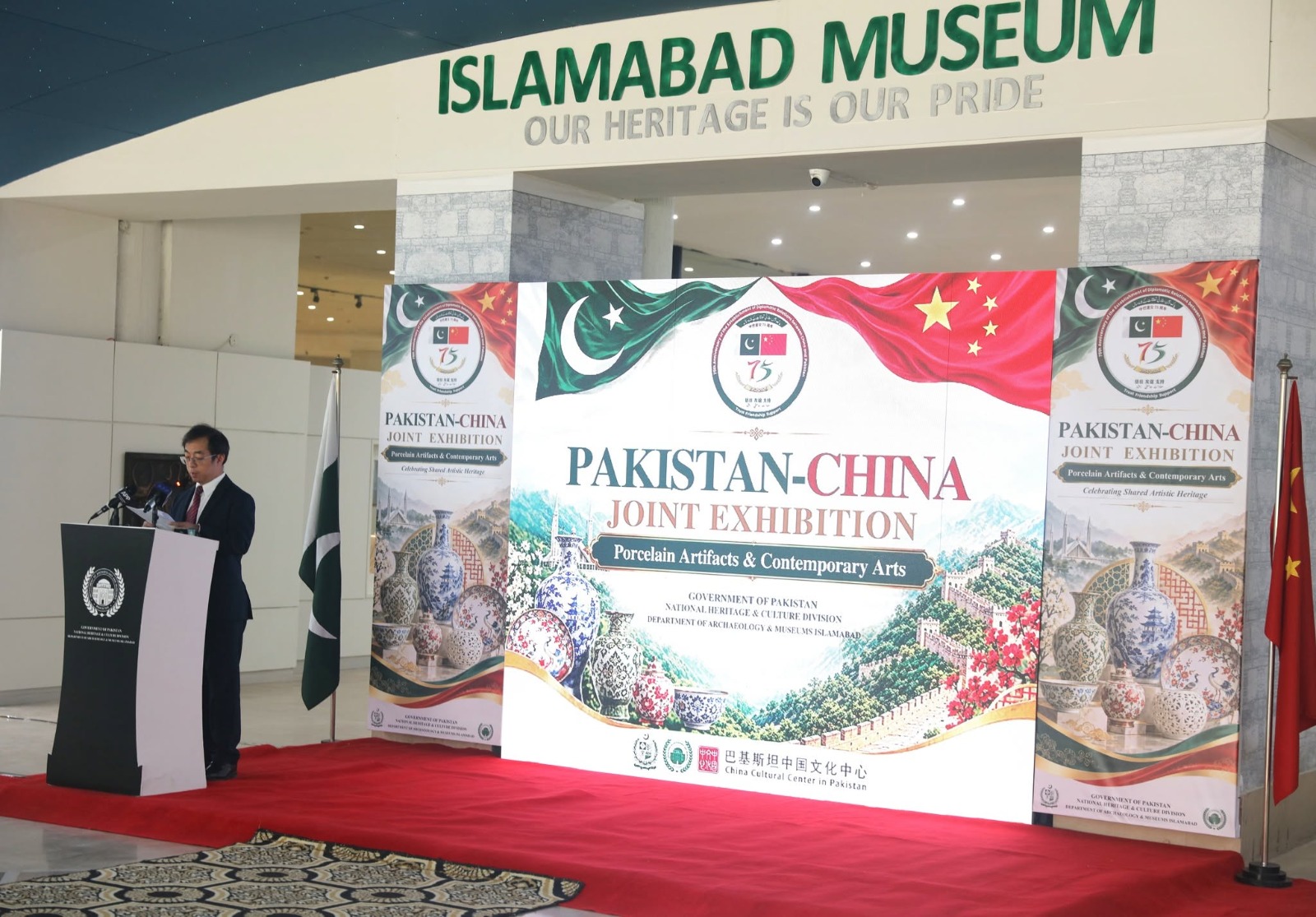
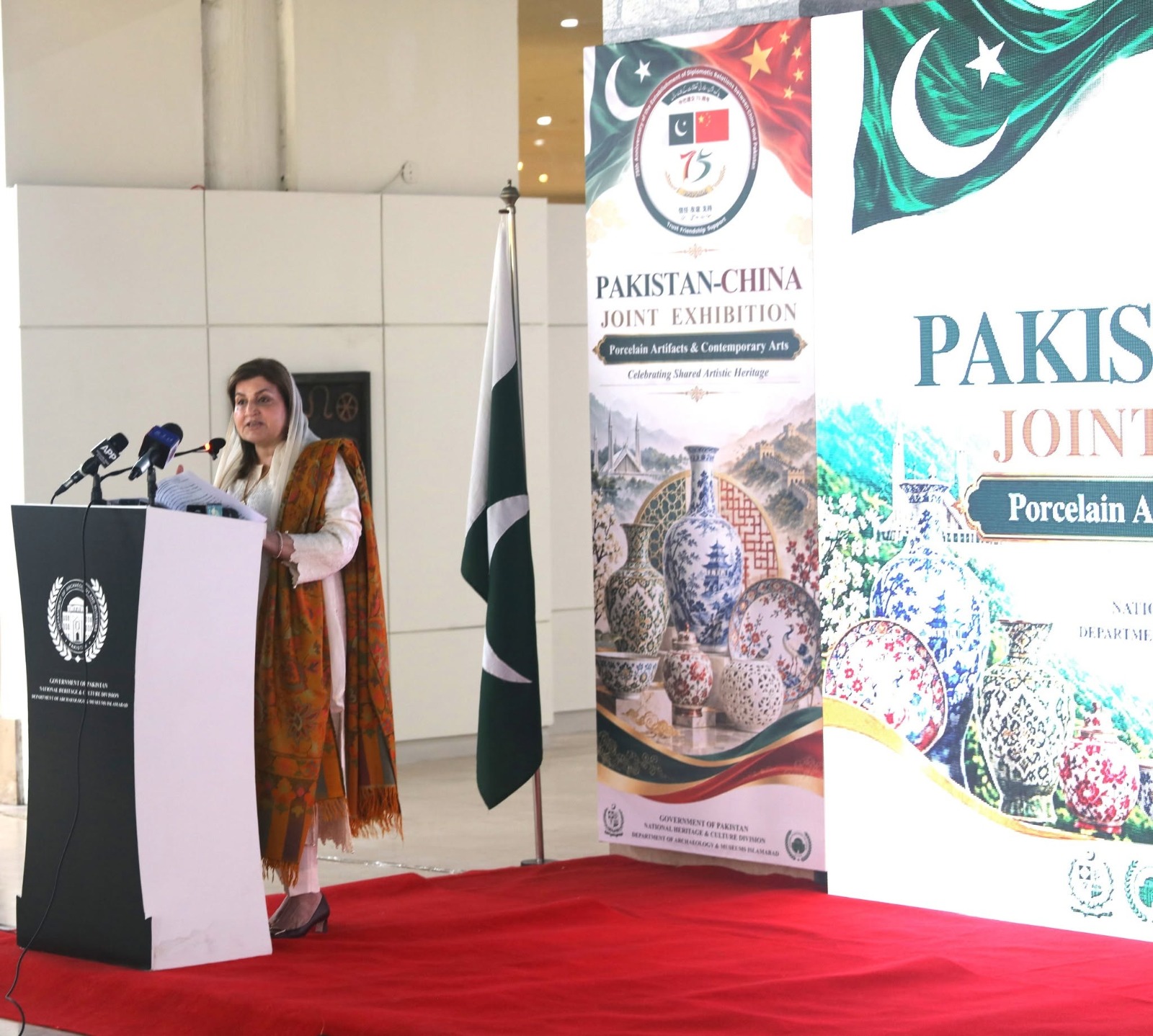
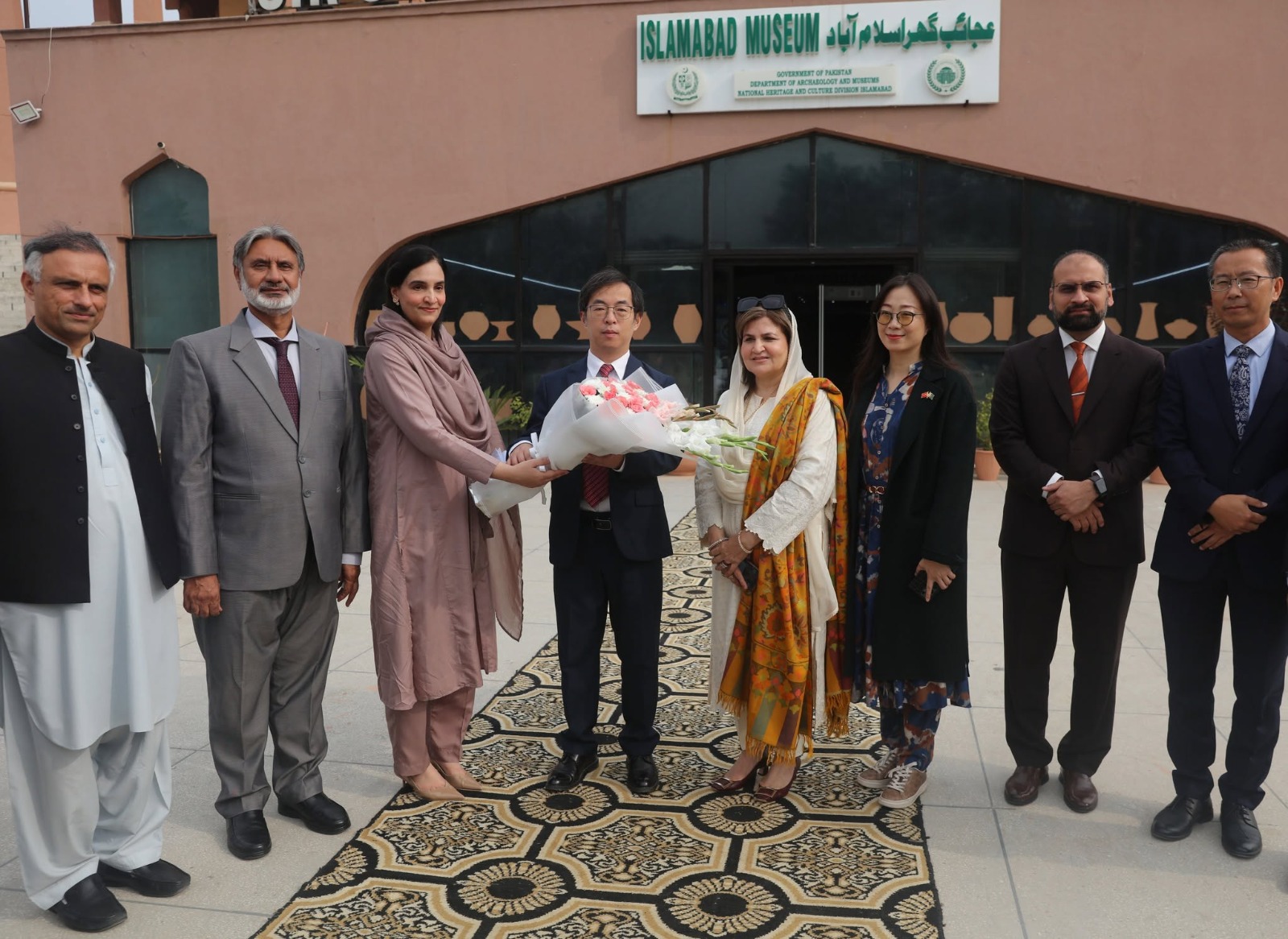
The National Museum Islamabad, under the National Heritage & Culture Division, Government of Pakistan, and the Department of Archaeology & Museums (DoAM), inaugurated a Pak-China Joint Exhibition on Porcelain Artefacts and Contemporary Art , marking the 75th anniversary of the establishment of diplomatic relations between Pakistan and China. The inauguration ceremony was addressed by Parliamentary Secretary for National Heritage & Culture, Ms. Farah Naz, and Mr. Cheng Peng, Counsellor at the Embassy of the People's Republic of China in Pakistan. Speakers highlighted the enduring friendship between Pakistan and China and emphasized the importance of cultural collaboration in strengthening bilateral relations and promoting mutual understanding between the two nations. The exhibition brings together an impressive collection of Chinese porcelain artefacts and contemporary artistic creations, reflecting centuries of artistic excellence, craftsmanship and cultural exchange. The collection features exquisite Tang Sancai horse and camel figurines, delicate Ru porcelain celadon wares, vibrant blue-and-white floral vessels, intricately sculpted peony plates and contemporary luxury dinnerware. Chinese porcelain, renowned worldwide for its artistic refinement and technical innovation, has historically played a significant role in cultural exchange along the ancient Silk Road. The exhibition offers visitors an opportunity to explore this rich artistic legacy while appreciating the evolution of ceramic craftsmanship through the centuries. Students from IMCG F 7/2 participated in a workshop of painting ceramics with Chinese motives and iconography. Students shown keen interest in Chinese ceramics and painting. Beyond its artistic significance, the exhibition serves as a celebration of the longstanding cultural and historical connections between Pakistan and China. It underscores the role of cultural diplomacy in bringing nations closer, strengthening people-to-people connections and fostering greater appreciation of shared artistic traditions. The initiative reflects the commitment of the National Heritage & Culture Division and the Department of Archaeology & Museums to promoting international cultural cooperation, safeguarding heritage and providing platforms for meaningful artistic exchange.
Images